
Using Mortgage Calculator Tools to Calculate Home Mortgage Payments
- Barry Lends

- Jan 18
- 4 min read
Buying a home is one of the most exciting and important decisions you’ll make. But it can also feel overwhelming. How much can you afford? What will your monthly payments look like? This is where mortgage calculator tools come in handy. They help you calculate home mortgage payments quickly and clearly, giving you a better picture of your financial future. I’m here to guide you through using these tools effectively, so you can make confident, informed choices.
Why You Should Use a Mortgage Calculator to Calculate Home Mortgage Payments
Mortgage calculators are more than just simple math machines. They are your personal financial assistants. When you use one, you can:
Estimate monthly payments based on loan amount, interest rate, and loan term.
Compare different loan options side by side.
Understand how extra payments can reduce your loan term and interest.
Plan your budget realistically before you commit.
For example, if you’re looking at a $300,000 home with a 4% interest rate over 30 years, a mortgage calculator can show you exactly what your monthly payment might be, including principal and interest. This helps you avoid surprises and plan better.
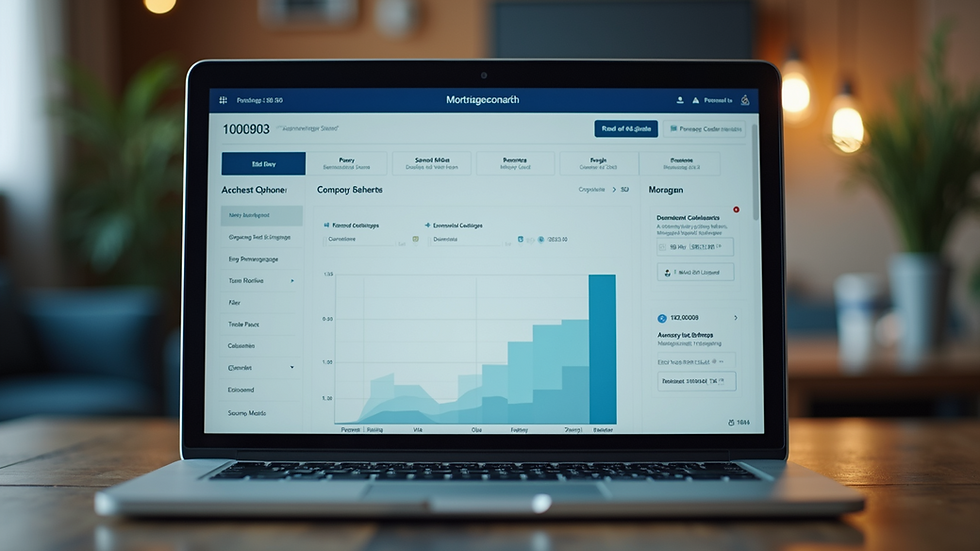
How to Use Mortgage Calculators Effectively
Using a mortgage calculator is easy, but to get the most out of it, follow these tips:
Gather your numbers first: Know the home price, down payment, interest rate, loan term, and any additional costs like property taxes or insurance.
Input accurate data: The more precise your inputs, the more reliable your results.
Experiment with different scenarios: Change the loan term or down payment to see how it affects your monthly payment.
Include extra payments: Some calculators let you add extra monthly or yearly payments to see how much interest you save.
Check for hidden costs: Some calculators include taxes and insurance, others don’t. Make sure you understand what’s included.
For instance, if you increase your down payment from 10% to 20%, you’ll see a noticeable drop in your monthly payment. This kind of insight helps you decide how much to save before buying.
Understanding the Components of Your Mortgage Payment
When you calculate home mortgage payments, it’s important to know what goes into that number. Your monthly mortgage payment typically includes:
Principal: The amount you borrowed.
Interest: The cost of borrowing that money.
Taxes: Property taxes collected by your local government.
Insurance: Homeowner’s insurance to protect your property.
PMI (Private Mortgage Insurance): If your down payment is less than 20%, you might pay this extra fee.
Knowing these components helps you understand why your payment might be higher or lower than expected. For example, a low-interest rate might be offset by high property taxes in your area.

Tips for First-Time Homebuyers Using Mortgage Calculators
If this is your first time buying a home, mortgage calculators are your best friends. Here’s how to use them wisely:
Start with your budget: Enter a home price you think you can afford and see what your payments look like.
Don’t forget additional costs: Include taxes, insurance, and maintenance to get a full picture.
Play with interest rates: Rates can vary, so try different numbers to see how they affect your payment.
Check loan terms: A 15-year loan means higher payments but less interest overall, while a 30-year loan lowers payments but costs more in the long run.
Use the results to talk to Barry Lends: Bring your calculations to, Barry Lends, your mortgage advisor to discuss options.
Remember, mortgage calculators are tools to help you plan, not guarantees. Your actual loan terms may vary, but this is a great starting point.
How Investors and Existing Homeowners Can Benefit from Mortgage Calculators
Mortgage calculators aren’t just for buyers. If you already own a home or invest in property, these tools can help you:
Refinance decisions: Calculate if refinancing your mortgage will save you money.
Extra payments: See how making additional payments can shorten your loan and reduce interest.
Investment analysis: Estimate cash flow and returns on rental properties.
Budget adjustments: Plan for changes in interest rates or property taxes.
For example, if you’re thinking about refinancing to a lower rate, a mortgage calculator can show you how long it will take to recoup closing costs and start saving money.
Making the Most of Online Mortgage Calculators
There are many mortgage calculators online, but not all are created equal. Here’s what to look for:
User-friendly interface: Easy to input data and understand results.
Detailed breakdowns: Shows principal, interest, taxes, insurance, and PMI.
Extra payment options: Lets you add extra monthly or yearly payments.
Comparison features: Allows side-by-side comparisons of different loan scenarios.
Mobile-friendly: So you can calculate on the go.
Barry Lends offers a great mortgage calculator that fits all these criteria. It’s designed to simplify your home loan process and help you explore a wide range of options with competitive rates.
Final Thoughts on Using Mortgage Calculators
Using mortgage calculator tools effectively can make your home buying or refinancing journey smoother and less stressful. They give you clarity, control, and confidence. Whether you’re a first-time buyer, an existing homeowner, or a property investor, these tools help you plan smartly and make informed decisions.
Remember, the key is to use them as part of your overall research and financial planning. Combine the insights you gain with advice from trusted mortgage professionals. That way, you’re not just guessing—you’re making choices that bring you closer to your homeownership dreams.
Happy calculating!
If you want to explore a reliable mortgage calculator, check out Barry Lends for tools and expert guidance tailored to your needs.


Comments